
Pediatric & Adolescent Psychiatry: PMHNP Board Review
PMHNP board review of pediatric psychiatry: ADHD, autism, disruptive behavior disorders, youth depression, and the SSRI black box warning.
Pediatric and adolescent psychiatry is heavily tested on the PMHNP board because dosing, monitoring, and safety differ meaningfully from adult practice. The single highest-yield safety point: all antidepressants carry an FDA black box warning for increased suicidal ideation in patients under 25, yet fluoxetine and escitalopram remain first-line for pediatric depression — you monitor closely rather than withhold treatment. This review covers ADHD, autism spectrum disorder, disruptive behavior disorders, and youth mood and anxiety conditions.
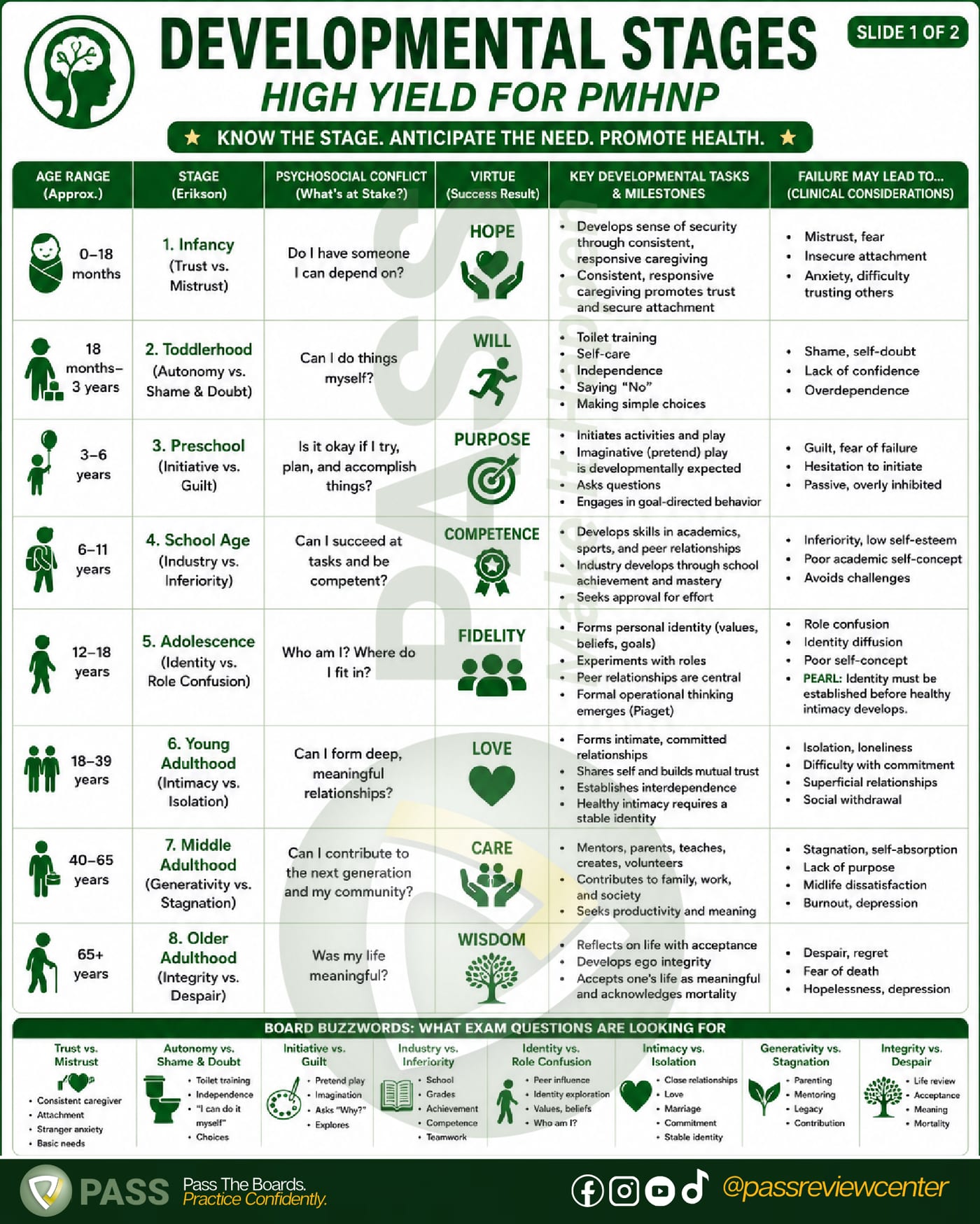
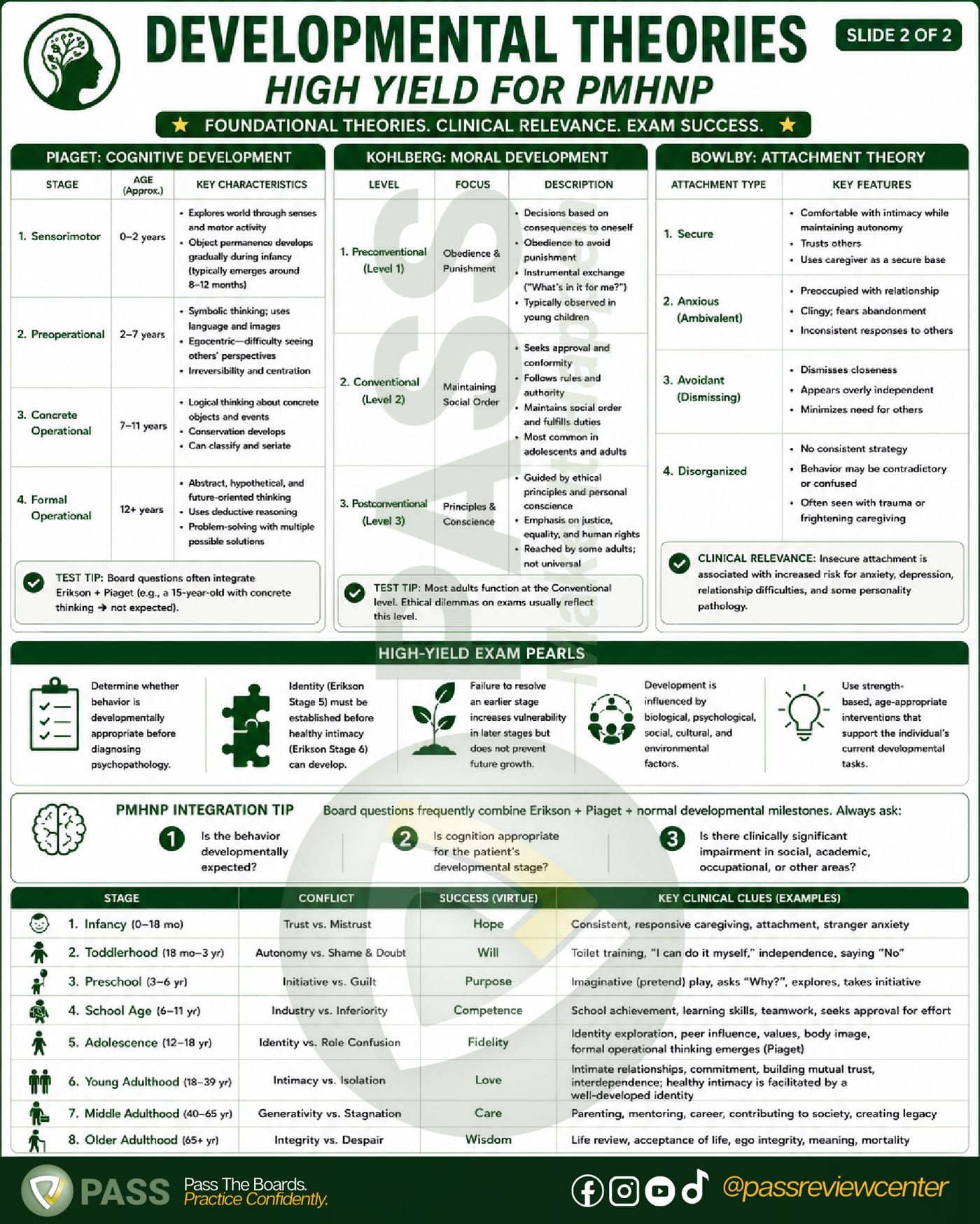
General principles in pediatric prescribing
Before the disorder-specific content, internalize a few cross-cutting rules the board tests repeatedly. Children are not small adults: hepatic metabolism, distribution, and receptor sensitivity differ, so doses are weight-based and titrated slowly. Developmental stage shapes presentation — depression in children may look like irritability rather than sadness, and anxiety may present as somatic complaints or school refusal. Caregivers and teachers are essential informants, and many conditions require symptoms in more than one setting. Psychosocial and behavioral interventions are first-line for many pediatric conditions, with medication added when impairment is moderate to severe or when behavioral approaches are insufficient. Finally, always weigh the suicidality black box warning against the genuine risks of untreated illness, and document informed consent with the family.
ADHD
Diagnostic criteria (DSM-5-TR)
- Inattentive and/or hyperactive-impulsive symptoms present before age 12.
- Symptoms in two or more settings (home and school).
- 6 or more symptoms in a domain for children (5 or more for ages 17+).
- Functional impairment, not better explained by another disorder.
Treatment
- Stimulants (methylphenidate and amphetamine classes) are first-line and most effective.
- Monitor: growth (height/weight), blood pressure, heart rate. Screen for cardiac history before starting.
- Non-stimulants: atomoxetine (also carries the pediatric suicidality black box warning), guanfacine ER, clonidine ER — useful with tics, anxiety, or stimulant intolerance.
- For preschoolers (ages 4–5), behavioral parent training is first-line before medication.
See our detailed ADHD medications review for agent selection and monitoring.
Autism spectrum disorder (ASD)
Key features (DSM-5-TR)
- Persistent deficits in social communication and interaction across contexts.
- Restricted, repetitive patterns of behavior, interests, or activities (stereotypies, insistence on sameness, fixated interests, sensory differences).
- Onset in early development; severity graded by support needs (Levels 1–3).
- DSM-5 (2013) consolidated Asperger's and PDD-NOS into the single ASD diagnosis, which DSM-5-TR retains.
Treatment
- Behavioral interventions (e.g., applied behavior analysis, early intensive intervention) are the foundation.
- No medication treats core ASD.
- Risperidone and aripiprazole are the only FDA-approved drugs — and only for irritability/aggression, not the core disorder. Monitor for weight gain and metabolic effects; review our antipsychotic side effects guide.
Disruptive behavior disorders
- Oppositional defiant disorder (ODD): Pattern of angry/irritable mood, argumentative/defiant behavior, and vindictiveness lasting 6+ months. Directed at authority figures; no major violations of others' rights.
- Conduct disorder (CD): Repetitive violation of others' rights or major social norms — aggression to people/animals, destruction of property, deceit/theft, serious rule violations. Conduct disorder before 18 plus the full adult pattern can progress to antisocial personality disorder (diagnosed at 18+).
- Disruptive mood dysregulation disorder (DMDD): Chronic, severe irritability with frequent temper outbursts (3+/week) in children 6–18, onset before age 10. Created to curb over-diagnosis of pediatric bipolar disorder — a tested rationale.
- First-line for ODD/CD: psychosocial treatment (parent management training, family therapy). Medication targets comorbidities, not the disorder itself.
Pediatric depression and anxiety
Depression
- First-line SSRIs: fluoxetine (FDA-approved from age 8) and escitalopram (approved from age 12).
- Black box warning: Increased suicidal ideation/behavior in patients under 25. Monitor closely, especially in the first weeks and after dose changes. The correct board response is informed treatment with monitoring, not avoidance.
- Combine with CBT for best outcomes.
Anxiety / OCD
- SSRIs plus CBT are first-line for pediatric anxiety disorders and OCD.
- Sertraline and fluvoxamine are commonly used; fluoxetine is also widely used.
For SSRI fundamentals, see our PMHNP psychopharmacology high-yield guide.
Pediatric bipolar disorder and psychosis
Pediatric bipolar disorder is a contested and frequently overdiagnosed area, which is exactly why DMDD was introduced. True pediatric mania requires a distinct episode of elevated or irritable mood plus the classic symptom cluster, not merely chronic irritability. When mania is genuine, mood stabilizers and second-generation antipsychotics are used, with careful metabolic monitoring. Early-onset psychotic disorders are rare and warrant a thorough workup to exclude substance use, medical causes, and mood disorders with psychotic features before settling on a primary psychotic diagnosis. The board reward here is recognizing chronic irritability as DMDD rather than reflexively diagnosing bipolar disorder.
Monitoring and safety essentials
Safe pediatric prescribing is heavily tested, so commit the monitoring parameters to memory:
- Stimulants: Baseline and ongoing height, weight, blood pressure, and heart rate; screen for cardiac history and appetite/sleep effects.
- Second-generation antipsychotics: Weight/BMI, fasting glucose and lipids, and extrapyramidal/movement effects — children are especially prone to weight gain.
- Antidepressants: Close follow-up in the first weeks and after dose changes, with explicit suicidality monitoring per the black box warning.
- Atomoxetine: Monitor for suicidality and, rarely, hepatotoxicity.
Family psychoeducation and shared decision-making are part of every plan, and the safest first step in many vignettes is a behavioral or psychotherapeutic intervention plus close monitoring.
Other high-yield pediatric conditions
A handful of additional diagnoses round out the pediatric content:
- Tic disorders and Tourette syndrome: Multiple motor tics plus at least one vocal tic for over a year (Tourette). First-line for impairing tics is behavioral therapy (habit-reversal/CBIT) and alpha-2 agonists; antipsychotics are reserved for severe cases. Frequently comorbid with OCD and ADHD.
- Separation anxiety disorder: Developmentally excessive fear of separation from attachment figures; CBT is first-line, SSRIs added when needed.
- Enuresis: Behavioral interventions and the bedwetting alarm are first-line; desmopressin is a pharmacologic option.
- Reactive attachment disorder and disinhibited social engagement disorder: Trauma- and neglect-related conditions; the intervention targets the caregiving environment, not medication.
- Intellectual developmental disorder: Defined by deficits in intellectual and adaptive functioning with onset in the developmental period.
Matching the first-line intervention to each condition — usually behavioral or family-focused before medication — is the recurring theme across pediatric questions.
High-yield board pearls
- Black box suicidality warning applies to all antidepressants under 25 — treat and monitor, don't withhold.
- Fluoxetine and escitalopram are the FDA-approved pediatric depression SSRIs.
- Stimulants are first-line for ADHD; monitor growth, BP, and HR.
- Behavioral parent training first for preschool ADHD and for ODD/CD.
- Risperidone and aripiprazole are approved only for ASD-related irritability/aggression, not core ASD.
- DMDD exists to reduce over-diagnosis of pediatric bipolar disorder.
- Conduct disorder can precede antisocial personality disorder (diagnosable only at 18+).
- Atomoxetine also carries the pediatric suicidality black box warning.
Common exam traps
- Withholding an SSRI from a depressed teen because of the black box warning — the answer is monitored treatment, often with CBT.
- Diagnosing antisocial personality disorder in a minor — it cannot be diagnosed before age 18; the childhood equivalent is conduct disorder.
- Expecting risperidone to treat core autism — it only targets irritability/aggression.
- Skipping behavioral therapy in a preschooler with ADHD or a child with ODD and jumping to medication.
- Ignoring growth and cardiovascular monitoring on stimulants.
- Confusing DMDD with pediatric bipolar disorder — DMDD is chronic irritability without discrete manic episodes.
Pediatric prescribing must follow current guidelines, FDA labeling, and individualized risk-benefit and family discussion; this review presents board-level concepts rather than treatment direction for a specific child.
Keep building your board readiness
Pediatric questions reward knowing which drugs are FDA-approved by age, the black box warning logic, and when behavioral therapy comes first. Reinforce these with targeted practice. Explore the full PMHNP question bank and study tools, pinpoint your weak areas with a quick diagnostic assessment, or review the companion geriatric psychiatry and delirium board review. Ready to start? Create a free account.
Frequently asked questions
What is the black box warning for antidepressants in youth?
All antidepressants carry an FDA black box warning for increased suicidal ideation and behavior in patients under 25. The board-correct approach is to treat depression when indicated while monitoring closely, especially during the first weeks and after dose changes, rather than withholding treatment.
Which SSRIs are FDA-approved for pediatric depression?
Fluoxetine is FDA-approved for depression from age 8 and escitalopram from age 12. Both are typically combined with CBT for best outcomes in adolescent depression.
What medications are approved for autism spectrum disorder?
Risperidone and aripiprazole are the only FDA-approved medications, and only for irritability and aggression associated with autism, not the core social-communication deficits. Behavioral interventions remain the foundation of treatment.
How is conduct disorder different from oppositional defiant disorder?
ODD is a pattern of angry, argumentative, and defiant behavior toward authority figures without violating others' basic rights. Conduct disorder involves serious violations of others' rights or major social norms, such as aggression, theft, and property destruction, and can precede antisocial personality disorder at 18.
What is first-line for ADHD in children?
Stimulants are first-line and most effective for school-age children, with monitoring of growth, blood pressure, and heart rate. For preschoolers ages 4 to 5, behavioral parent training is recommended before medication.
Related articles
Both PMHNP board blueprints broken down by domain and question count, plus the daily study system and high-yield content matrix that turn those weights into a study plan.
Since 2024, psychiatric NPs can certify through two boards: the long-standing ANCC PMHNP-BC or the newer AANPCB PMHNP-C. Here's how the two exams compare and how to choose.
PMHNP board review of perinatal mood disorders: baby blues vs postpartum depression vs psychosis, EPDS screening, SSRIs in pregnancy, and brexanolone.
Ready to practice what you just read?
Practice questions with full rationales. Sample your specialty free.
No credit card required · No subscription, no auto-renew